A Smart Way to Publish a Self Care Log Without Starting From Scratch
Most people who decide to create a self care journal or logbook for Amazon KDP hit the same wall early on. They have the idea, they know the audience exists, but building the interior file from a blank page feels overwhelming. Margins, bleed settings, consistent page layouts, file formats that actually pass KDP’s review process — it adds up fast. That’s where a ready-made Self Care Log KDP Interior changes the equation. Instead of spending days or weeks wrestling with design software, you get a complete, tested interior that’s already built to Amazon’s specifications.
What This Interior Actually Contains
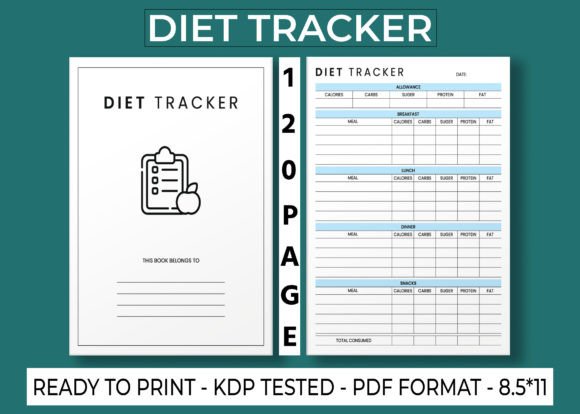
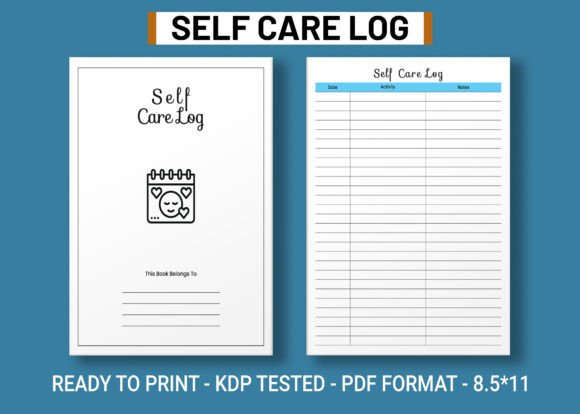
Let’s talk about what you’re getting in practical terms. This package includes multiple file formats designed for different workflows. You receive an editable AI file for designers who use Adobe Illustrator, high-resolution PDF files for direct printing or upload, and PNG files that preserve quality when you need to preview pages or make quick adjustments. The interior is sized at 8.5 x 11 inches, which is a popular trim size for journals and workbooks on Amazon. It spans 120 total pages, giving end users enough room to track their self care routines without the book feeling thin or insubstantial. An intro page kicks things off, and the entire file is set up with bleed, meaning the artwork extends to the edge of the page correctly — something that trips up a lot of first-time publishers when they try to build interiors themselves.
Why Publishers Turn to Pre-Built Interiors
Time is the most honest reason. Someone who runs a small publishing brand or sells low-content books on KDP might need to release several titles a month to stay visible in the marketplace. Building every interior from the ground up doesn’t scale well. A pre-designed Self Care Log KDP Interior removes the repetitive technical work so the publisher can focus on what actually moves books: cover design, keyword research, niche selection, and marketing. The interior becomes a reliable asset rather than a bottleneck.
There’s also the confidence factor. Amazon’s KDP platform rejects files that don’t meet their standards. Margins that are slightly off, fonts that aren’t embedded, images at too low a resolution — any of these can send a book back for revision. A KDP-tested interior has already been through that gauntlet. You upload it knowing it’s compatible, which eliminates a common source of frustration for new and experienced publishers alike.
Who Uses a Self Care Log Interior Beyond the Obvious
On the surface, this product seems built for KDP sellers who publish low-content books. And that’s true. But the actual use cases spread out in interesting directions once you look closer. Therapists and counselors buy printable log interiors to offer clients a structured way to track mood, sleep, habits, and self care activities between sessions. Life coaches use them as part of their client resource libraries, customizing the interior with their branding before distributing it as a bonus or tool. Wellness bloggers and content creators who sell digital products on platforms like Etsy or Gumroad purchase these interiors, add their own touches, and sell them as downloadable PDFs to their audiences.
Even educators and school counselors find value here. A self care log adapted for teenagers or college students can sit alongside other mental health resources in a guidance office. The 8.5 x 11 format prints cleanly on standard paper, which makes it practical for in-person use, not just digital storefronts.
How Different Users Adapt the Same Interior File
The editable AI file is where the real flexibility lives. A KDP publisher might leave the interior largely as-is, confident that the layout is ready to upload. But a graphic designer working for a wellness brand could open that AI file and shift colors, add branded headers, or rearrange sections to match a specific visual identity. A freelancer who sells templates online might extract individual page designs from the PNG files and mix them into a custom planner bundle.
For someone who doesn’t have design experience, the PDF files offer a straightforward upload path. They don’t need to alter anything. They download the file, check that it matches their vision, and upload it directly to KDP. That low barrier to entry matters. It means the person who has a strong concept for a self care book but limited technical skills can still produce a polished, professional-looking product.
Where These Interiors Show Up in Everyday Life
Think about where people actually use self care logs. They sit on nightstands for evening reflection. They get tucked into desk drawers for a midday mental health check-in. People bring them to therapy appointments, wellness retreats, or keep them in their bags during stressful work weeks. The physical book, once printed and bound through KDP’s print-on-demand system, becomes a tangible tool in someone’s daily routine. The fact that the interior was built with bleed means the pages look like they belong in a professionally published book, not something that was hastily assembled.
Digital versions follow a similar path. A customer downloads a PDF version from a seller’s storefront, opens it on a tablet with a stylus, and uses it as a reusable self care tracker. Others print individual pages as needed, sticking them in a binder or pinning them to a bulletin board. The versatility comes from the clean, adaptable design that doesn’t lock the user into a single format or setting.
Realistic Scenarios Where This Interior Solves a Problem
Consider a small business owner who runs a boutique publishing imprint. They’ve identified a rising interest in self care and mindfulness journals, but they also know that seasonal trends shift quickly. Waiting three weeks for a custom interior delays their launch and risks missing the window where search interest peaks. With a ready-to-upload interior, they can have a book live on Amazon within days of striking on the idea. The 120-page count feels substantial enough to justify a mid-range price point, while the tested bleed settings mean the cover designer can work with confidence, knowing the interior won’t cause upload errors.
Another scenario involves a freelance social media manager who handles content for several wellness influencers. One client wants to offer a free downloadable self care log as a lead magnet for an email list. The freelancer takes the interior files, adapts a few pages from the AI document to match the client’s brand palette, and exports a slimmed-down PDF version. The client’s audience gets a useful tool, the email list grows, and the freelancer delivered the asset quickly without outsourcing design work.
Then there’s the educator working in a high school setting. They notice students struggling with stress management during exam season. They take the interior, print select pages, and create a condensed self care booklet that students can keep in their lockers. It’s not about selling anything — it’s about accessing a structured, thoughtfully laid-out resource that would have taken hours to design from nothing.
What Makes a KDP-Tested Interior Different
The phrase “KDP tested” isn’t just marketing language. It means someone uploaded the file to Amazon Kindle Direct Publishing, went through the automated and manual checks, and confirmed that it passed. Margins meet the minimum requirements. The bleed extends correctly so that artwork reaches the trim edge without cutting off important content. Page count matches what’s expected. The PDF is flattened properly. These are technical details that can derail a launch if you discover them after the fact. A tested interior reduces that risk to near zero.
For anyone who has uploaded a book to KDP and received the dreaded “Margins exceed printable area” email, the value is instantly clear. You fix the file, re-upload, wait again, and hope the next review passes. It’s a cycle that costs time and momentum. Avoiding that entirely matters more than people realize until they’ve lived through it.
What to Think About Before Downloading
Not every interior fits every project. The 8.5 x 11 inch trim size works well for standard journals, but if you’re targeting a market that prefers smaller formats — like a 6 x 9 inch guided journal — you’ll need to either adjust the files or look for an interior in that size. The 120-page count is generous, but it’s worth considering whether your intended audience wants more pages or fewer. A busy professional might appreciate a compact 90-day log, while someone deep into a long-term wellness journey might expect more room.
Also consider the style. The interior’s design should align with the cover you plan to create. A minimalist, clean interior pairs naturally with modern, typography-focused covers, but it might feel disconnected if your cover leans heavily illustrative or whimsical. Cohesion between interior and exterior matters to customers, even if they can’t always articulate why.
The editable AI file is a powerful asset, but it requires Adobe Illustrator or compatible software to use. If you don’t have access to that, you’re working with the PDF and PNG versions. That’s not a limitation for most publishers — many prefer the straightforward PDF upload — but it’s helpful to know upfront if you intended to make heavy customizations.
Why Multiple File Formats Actually Matter
Having AI, PDF, and PNG files in one package isn’t about redundancy. Each format serves a distinct purpose. The AI file is for deep editing. The PDF is for immediate, reliable printing and KDP upload. The PNG files are for previews, mockups, social media promotion, or extracting individual pages to share as samples. A publisher can use the PNGs to create product images for their Amazon listing, showing interior pages without needing to photograph a physical copy. An Etsy seller can include a few PNG previews in their digital product listing so buyers know exactly what they’re getting.
This multi-format approach also protects against obsolescence. If a publisher switches from one design tool to another down the road, they’re not locked into a single file type. The assets remain usable across different software environments.
Connecting the Interior to Real Business Outcomes
The businesses and individuals who get the most from a Self Care Log KDP Interior tend to share a few traits. They value speed without sacrificing quality. They prefer to invest in assets that remove technical obstacles rather than spending unbillable hours solving layout problems. They understand that a consistent, professionally formatted interior increases the perceived value of their book, which can support better pricing and stronger reviews.
A book with a polished interior feels credible. Readers might not consciously analyze the margins or the consistent spacing between log entries, but they notice when something looks amateur. The subconscious response to a well-laid-out page is trust. That trust translates into repeat purchases, positive reviews, and word-of-mouth recommendations — all of which matter more than ad spend in the long run.
The Intro Page as a Quietly Important Detail
The inclusion of an intro page might seem minor, but it serves a real function. A self care log isn’t just a collection of blank tracking sheets. The intro page sets the tone. It can include a brief welcome message, instructions for using the log, or a gentle reminder about the importance of self care. For the publisher, it’s an opportunity to establish voice and connection with the reader before they dive into the daily entries. Some publishers leave it as-is; others customize it with their own words or brand language. Either way, the structure is already in place, which saves the effort of figuring out how to frame the book’s first impression.
The ready-to-upload nature of this interior package, combined with the bleed settings and 120-page structure, means someone can go from concept to live listing faster than they’d expect. That speed isn’t about cutting corners — it’s about removing the parts of the process that don’t add value for the end reader. The creative decisions that matter — niche selection, cover imagery, pricing strategy, marketing messaging — get more attention because the technical foundation is already solid.